Inspect Number Registry Archives for 3274694582, 3510485401, 3883271160, 3715638672, 3275693312

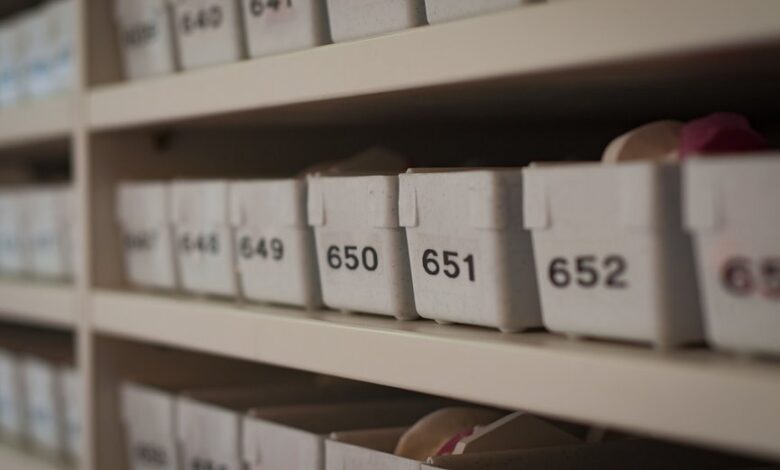
The Inspect Number Registry Archives trace five identifiers—3274694582, 3510485401, 3883271160, 3715638672, 3275693312—with careful attention to provenance notes and cross-referenced metadata. Each entry is mapped to issuer details, custody points, and standardized linkages to avoid redundancy. The process emphasizes verifiable, auditable lineage and disciplined workflow triangulation. A consistent pattern emerges, yet gaps and interdependencies prompt further examination as the archival trail stays open to new connections.
What Is the Inspect Number Registry Itself?
The Inspect Number Registry is a systematically maintained ledger that records unique numeric identifiers associated with inspected items, transactions, or entries within a defined scope. It functions as a central index, supporting accountability and traceability. Its architecture favors clarity, repeatability, and auditability. In practice, inspecting archives reveals standardized procedures and numeric workflows, ensuring consistent cataloging, retrieval, and non-redundant recordkeeping for freedom-minded analysis.
How These Five Numbers Are Traced in Archives
How are the five identifiers traced within archives, and what method ensures their precise lineage across collections? The process relies on meticulous archival mapping, cross-referencing issuer metadata, and immutable provenance notes. Each number is anchored to control records, then linked through standardized identifiers. Insightful tracing emerges from disciplined duplication checks, spellbound by rigorous citation trails and transparent archival mapping for enduring accessibility.
Cross-References and What They Reveal About Workflows
Cross-references reveal the deliberate sequencing and interdependencies that shape archival workflows. The study examines two word discussion patterns and cross referencing archives to map provenance, custody, and access points. Systematic triangulation exposes pathways among registers, files, and metadata, clarifying task handoffs and decision nodes. This method supports disciplined navigation while preserving interpretive freedom within structured archival practice.
Practical Takeaways for Analyzing Numeric Identifiers
This section distills actionable practices for examining numeric identifiers within archival registries, emphasizing a methodical approach to pattern recognition, provenance tracing, and integrity checks. The guidance favors rigorous documentation, reproducible steps, and transparent methodologies, enabling insightful traceability. It supports disciplined evaluation of anomalies, ensuring alignment with archival workflows and fostering clarity for researchers seeking disciplined freedom within structured archives.
Conclusion
In this meticulous registry, the five numerals are etched with disciplined care, each pathway traced like a ledger entry in frost. Provenance threads converge through issuer and custody nodes, revealing a lattice of non-redundant links. Cross-references illuminate workflow tremors, while duplication tests prune noise. The result is a reproducible archive that rewards disciplined inquiry, offering researchers a clear, navigable map through complex provenance without sacrificing interpretive flexibility. A sober, intricate closure to an orderly archival pursuit.