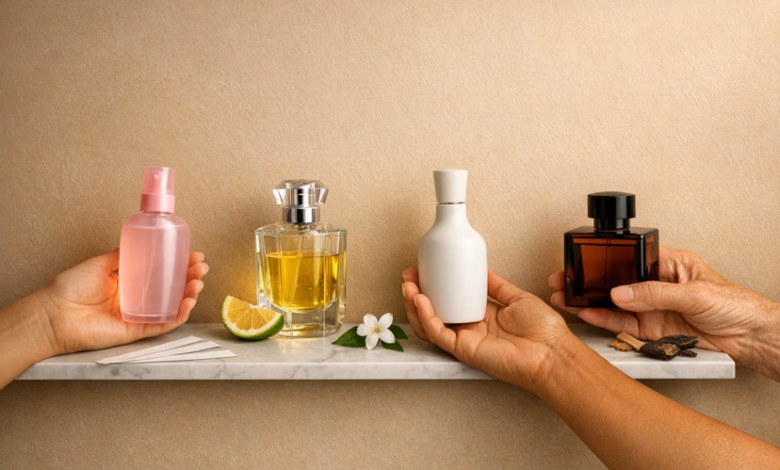
Fragrance has always been more than just a beauty product, it reflects identity, culture, lifestyle, and even social change. Over the decades, fragrance preferences have shifted dramatically, influenced by fashion trends, globalization, ingredient innovation, and changing consumer values. What once symbolized luxury and exclusivity has now become a diverse and highly personalized experience. Today, people choose scents not only for how they smell but also for how they make them feel and what they represent. This article explores how fragrance preferences have evolved over the years and what drives modern scent choices in today’s world.
1. Early Fragrance Traditions and Classic Perfume Preferences
In earlier centuries, fragrance was closely tied to tradition, royalty, and ritual. Ancient civilizations such as Egypt, Rome, and Persia used natural oils, herbs, and resins like frankincense and myrrh in religious ceremonies and personal grooming. These early fragrances were not just about smelling pleasant, hey were symbols of spirituality, wealth, and status.
As perfumery developed in Europe, especially in France during the 17th and 18th centuries, fragrance became more refined and structured. Floral-based perfumes dominated the market, with rose, jasmine, and lavender being widely used. These scents were often heavy, long-lasting, and designed for aristocratic society. Perfume was considered a luxury reserved for the elite, and fragrance preferences were largely uniform, focusing on rich and opulent compositions.
During this era, personal choice played a smaller role compared to today. Fragrance was more about social class and tradition than individuality. However, these early foundations set the stage for the global perfume industry we know today, shaping the idea that scent could be both an art form and a cultural expression.
See also: How to Style Parke Official Sweatshirts: Outfit Ideas for Men & Women
2. The Rise of Modern Perfumery and Designer Influence
The 19th and 20th centuries marked a major turning point in fragrance evolution. With the rise of modern chemistry, perfumers gained access to synthetic ingredients, allowing them to create more complex and long-lasting scents. This innovation expanded fragrance possibilities far beyond natural extracts.
During the 20th century, designer fashion houses such as Chanel, Dior, and Guerlain began launching signature perfumes that matched their brand identity. Fragrance became closely linked with fashion and personal image. For example, bold and elegant perfumes symbolized sophistication, while lighter floral scents represented femininity and youth.
This period also introduced the concept of “signature scent,” where individuals chose a single fragrance that defined their personality. Marketing and advertising played a huge role in shaping consumer preferences, often associating perfumes with romance, luxury, and glamour. As a result, fragrance preferences became more emotionally driven and brand-influenced, rather than purely traditional or cultural.
3. Globalization and the Expansion of Scent Diversity
In the late 20th and early 21st centuries, globalization significantly changed fragrance preferences. As cultures blended and international travel became more accessible, consumers were exposed to a wider range of scent profiles from around the world.
Middle Eastern fragrances known for oud, amber, and spicy notes, gained global popularity. At the same time, Asian-inspired scents featuring tea, rice flower, and green notes introduced softer and more minimalist fragrance profiles to Western markets. This cultural exchange created a much more diverse fragrance landscape.
Consumers also began experimenting with niche perfumes, smaller, artisanal brands that focused on creativity rather than mass appeal and women’s fragrances. Unlike traditional designer perfumes, niche fragrances often used unusual combinations such as smoky woods, leather, incense, and marine accords. This shift reflected a growing desire for individuality and uniqueness in scent selection.
As a result, fragrance preferences evolved from standardized luxury products to a global marketplace of artistic expression, where consumers could explore scents from virtually any culture or tradition.
4. The Shift Toward Personalization and Emotional Scent Choices
In recent years, fragrance preferences have become highly personal and emotionally driven. Instead of choosing perfumes based solely on trends or brands, consumers now look for scents that match their mood, lifestyle, and identity.
This shift is partly influenced by social media and digital culture, where individuality is highly valued. People no longer want to smell like everyone else—they want fragrances that feel unique and meaningful. As a result, layering scents, customizing perfumes, and owning multiple fragrances for different occasions has become increasingly popular.
Modern consumers also associate fragrance with emotional well-being. Calming lavender, energizing citrus, and comforting vanilla are chosen not just for their smell but for their psychological effects. This wellness-oriented approach has reshaped the fragrance industry, leading to the rise of aromatherapy-based perfumes and mood-enhancing scent collections.
Additionally, gender boundaries in fragrance have become more fluid. Unisex perfumes are now widely accepted, reflecting a cultural shift toward inclusivity and freedom of expression in scent preferences.
5. Sustainability, Clean Beauty, and the Future of Fragrance Preferences
Today’s fragrance preferences are also strongly influenced by sustainability and ethical awareness. Modern consumers are more conscious of ingredient sourcing, environmental impact, and animal testing practices. This has led to a growing demand for clean, vegan, and eco-friendly perfumes.
Brands are responding by using natural, responsibly sourced ingredients and reducing synthetic chemicals where possible. Packaging innovation, such as refillable bottles and recyclable materials, is also becoming a standard expectation among environmentally conscious buyers.
At the same time, technology is shaping the future of fragrance. Artificial intelligence and scent personalization tools are being used to recommend perfumes based on individual preferences and lifestyle data. This combination of technology and personalization is redefining how people discover and choose fragrances.
Looking ahead, fragrance preferences will likely continue to evolve toward even more customized, sustainable, and emotionally intelligent products. The future of scent is not just about smelling good—it’s about self-expression, wellness, and responsibility.